

Fabasoft Approve 2026 September Release
Find out more about new features and improvements in Fabasoft Approve.
General Improvements
Users
As a user you can expect the following new features.
Enhancements to AI-supported metadata extraction
In Fabasoft Approve, AI-supported metadata extraction has been enhanced with additional features.
Summarization During Metadata Extraction
Metadata extraction in Fabasoft Approve can now generate summaries for defined properties in addition to individual metadata entries. Instructions for summarization can be specified directly within the individual extraction definitions. During metadata extraction, the AI uses these instructions to generate an appropriate summary.
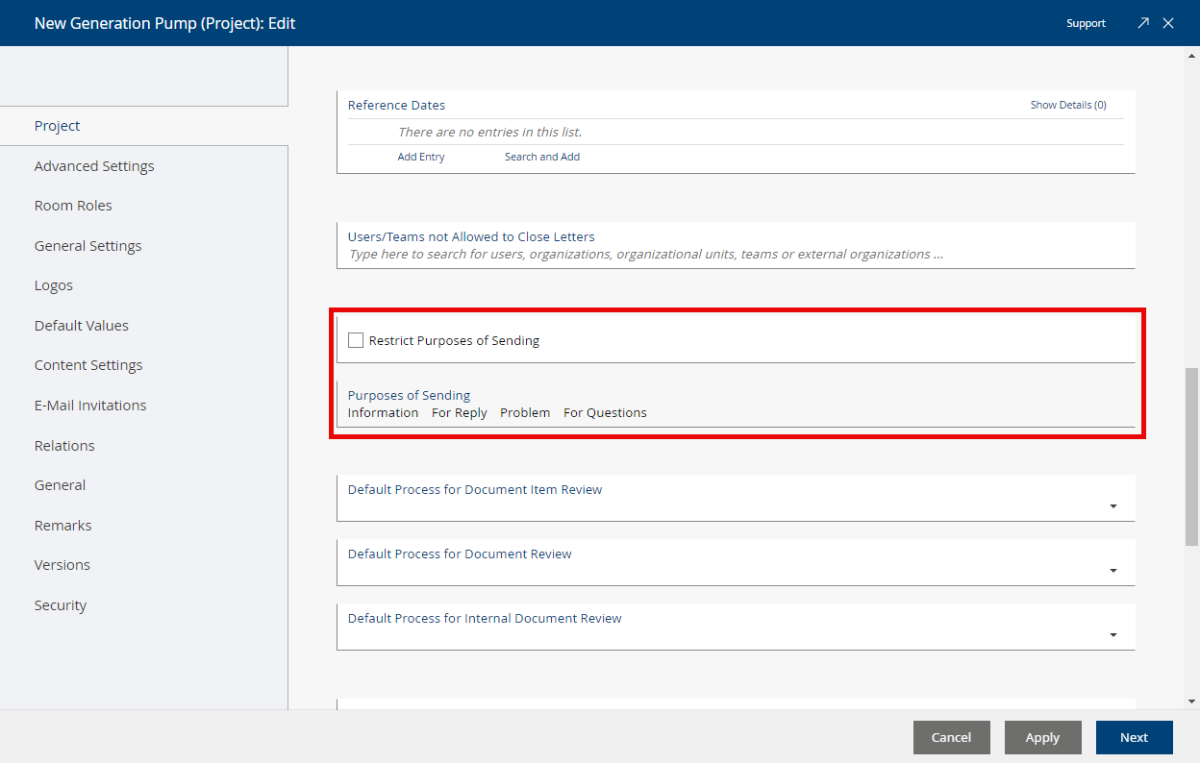
The prompt is defined in the extraction definition for the property for which a summary is to be generated. Additionally, further instructions and information can be defined on the property itself, as shown in the figure below.
Logging During Metadata Extraction
The new update provides greater transparency for metadata extractions. Each time a metadata extraction is performed, a signature is now attached to the object. This makes it possible to see at any time whether and when a metadata extraction was performed. In addition, logging of the metadata extraction is now available.
The “Metadata Extraction Log” field (“fldmetadataextractionlog”) stores additional information about the extraction that was performed. This includes the metadata extraction method used and a timestamp.
Generation of Extraction Definitions
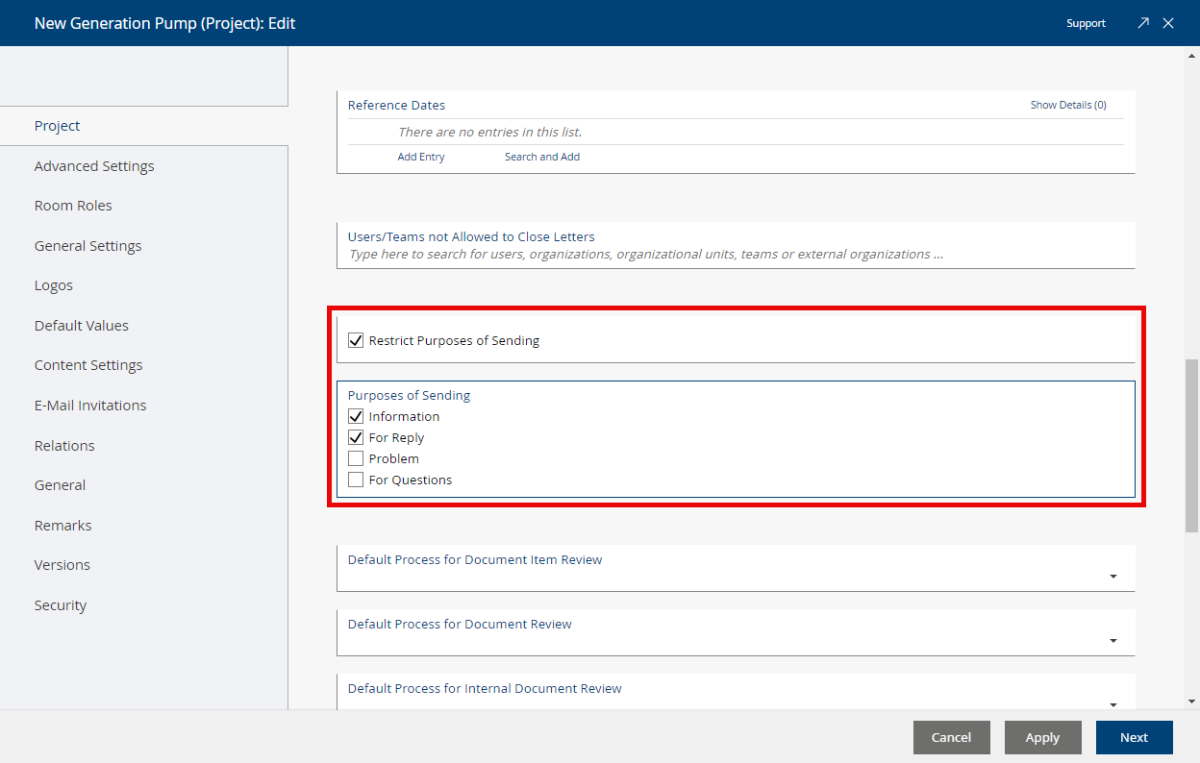
The creation of extraction definitions can now be simplified using AI. Through the “Generate Extraction Definitions” menu, suitable extraction definitions can be automatically created for selected properties.
The AI pre-fills the properties of the extraction definition, thereby significantly reducing the effort required for creation and configuration.
Open-Ended Questions in Document Reviews
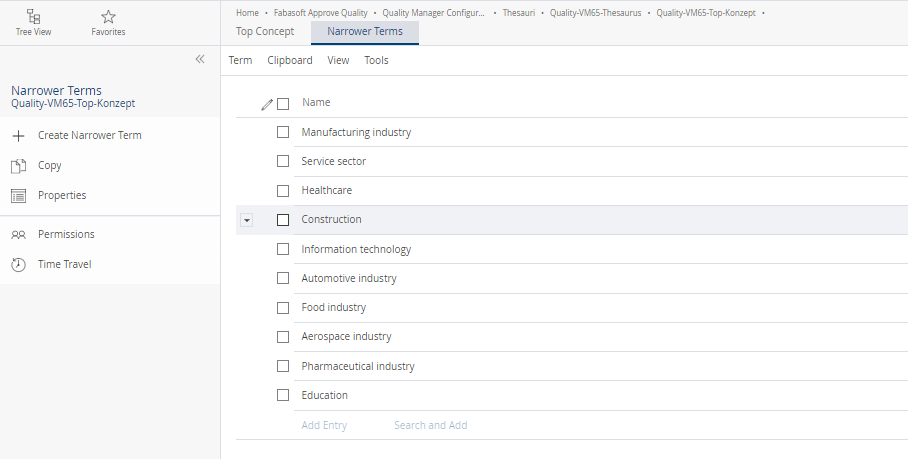
Document reviews can now be designed more flexibly in Fabasoft Approve: In addition to traditional yes/no questions, open-ended questions with freely formulable answers can also be defined. This allows document reviews to be better tailored to individual review demands.
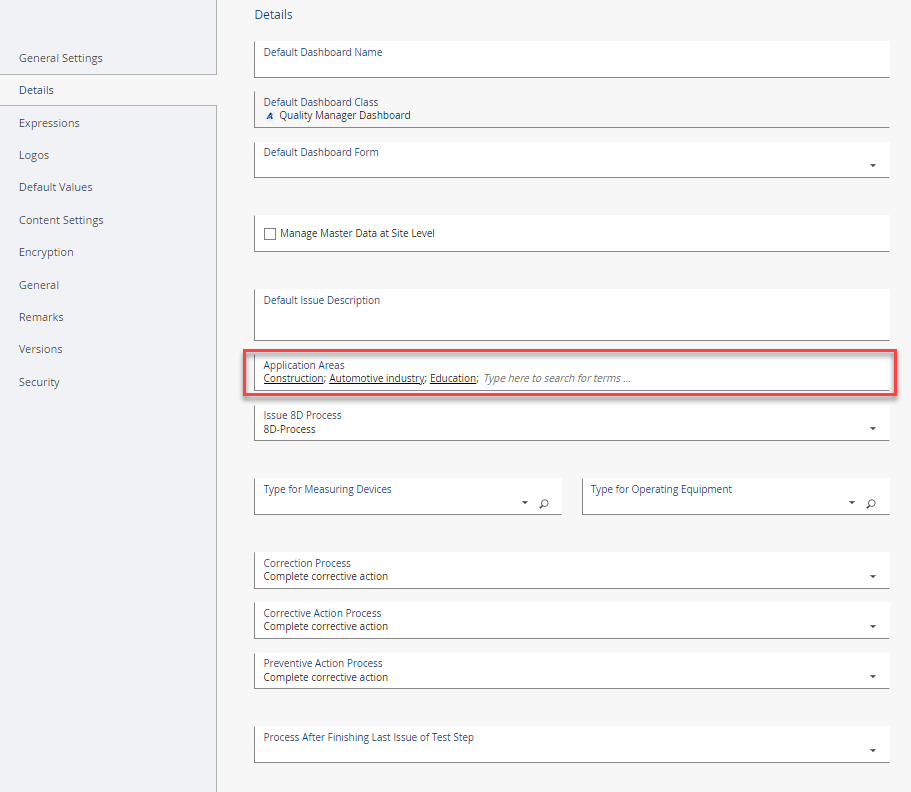
An answer to this open-ended question might look something like this:
Solution Area: Correspondence Management
The following new features await you in the correspondence management solution area.
Users
As a user you can expect the following new features.
Document Validation Before Document Provision
A document validation can now be performed before a supplier provides document instances. The validation is defined on the original document and must be performed before the supplier provides the corresponding document entries.
You can specify on a case-by-case basis whether the check must be successfully completed before provisioning is possible. The corresponding prerequisite can be flexibly configured using a low-code condition.
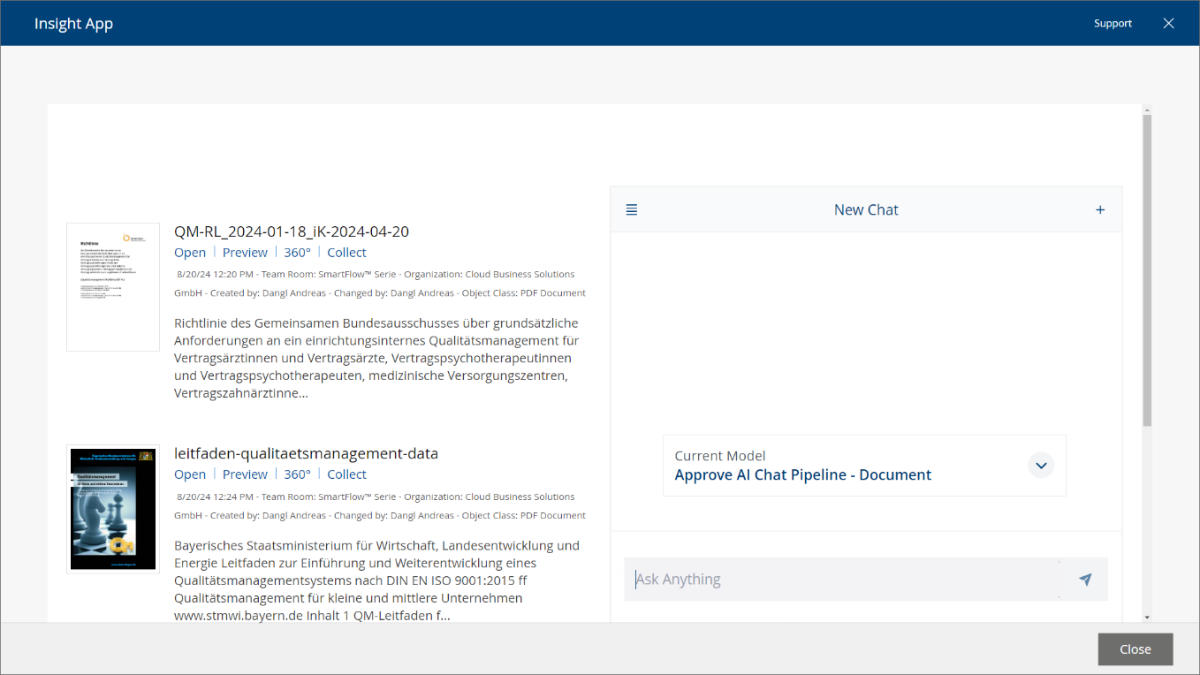
This allows quality-related checks to be integrated directly into the deployment process and defined requirements to be verified even before deployment.
Enhancements to Document Requests
When requesting documents in Fabasoft Approve, comments from parent documents can now be forwarded to the supplier.
As soon as a parent document exists, its comments – as well as the comments from other parent documents – are available for selection. This allows existing information and notes from the document hierarchy to be specifically reused when requesting a new document. These comments are displayed in the “Additional Comment Items” tile.
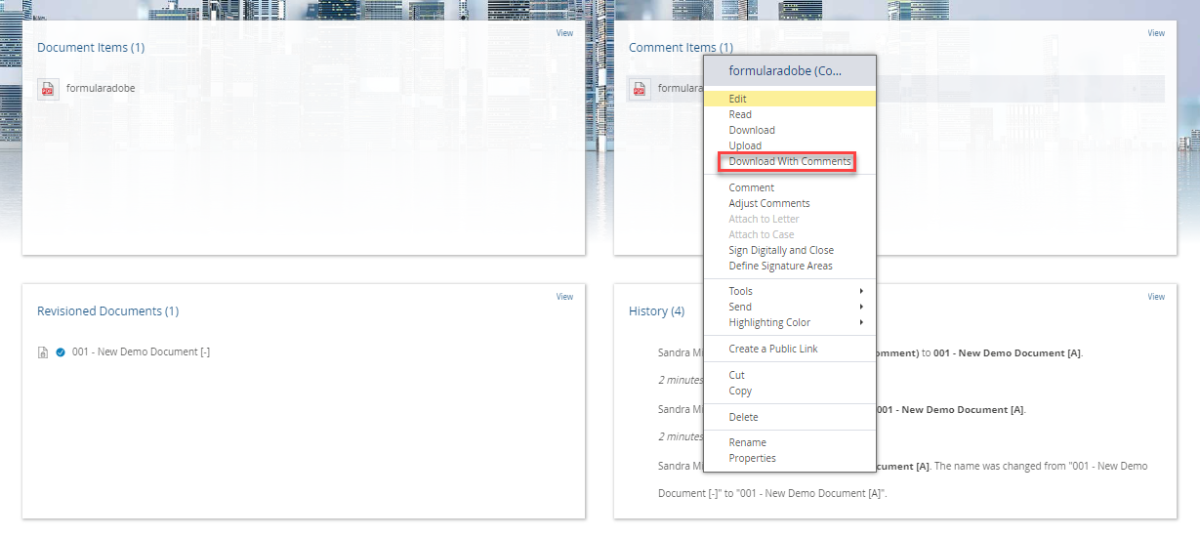
This improves communication with suppliers and makes it easier to reuse existing comments when requesting documents.